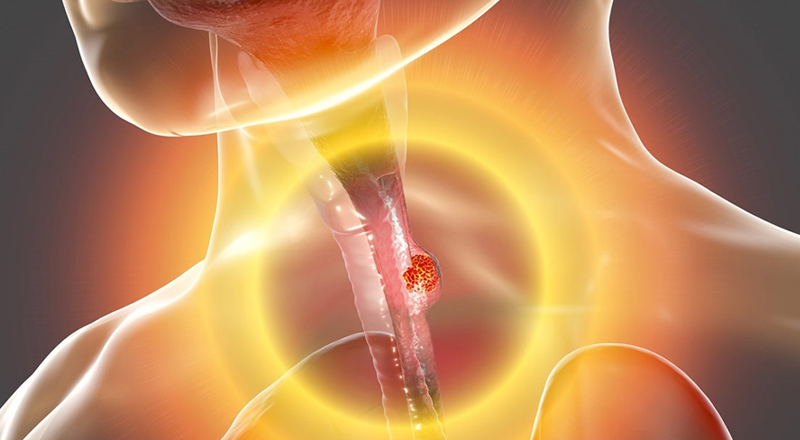
Food Pipe / Throat Cancer Surgery (Pharyngo-Laryngectomy)
Pharyngo-laryngectomy is the surgical removal of the pharynx (throat/food pipe) and larynx (voice box) when cancer involves both structures extensively. It is one of the most complex procedures in head and neck oncology. Dr. Antony Raj James has specialized training in head and neck oncology and experience in complex pharyngeal and laryngeal cancer surgery.
What is Pharyngo-Laryngectomy?
A pharyngo-laryngectomy involves the en-bloc removal of the larynx together with part or all of the pharynx. The pharynx includes the hypopharynx (the lower part of the throat connecting to the oesophagus) and sometimes the cervical oesophagus. This procedure is performed when cancer extensively involves the hypopharynx and larynx, making organ-preserving approaches inadequate for cancer control.
When is Pharyngo-Laryngectomy Recommended?
This surgery is considered for cancers of the hypopharynx or post-cricoid region that are extensive or involve the larynx, and for selected recurrent cancers following prior radiation treatment. Treatment decisions are made through multidisciplinary tumour-board review, balancing oncological clearance requirements with functional and quality-of-life considerations.
Reconstruction of the Food Passage
Following pharyngo-laryngectomy, reconstruction of the food passage (neopharynx) is essential to restore swallowing. Options include pedicled flap reconstruction (such as the pectoralis major myocutaneous flap) or, where available, free flap reconstruction including jejunal free flap or anterolateral thigh free flap. The choice of reconstruction is individualized based on the extent of resection and patient factors.
Neck Dissection and Tracheostomy
Neck dissection is performed concurrently to address regional lymph nodes. A permanent tracheostomy (neck breathing opening) is created as the trachea is separated from the food passage. Voice rehabilitation via tracheoesophageal puncture (TEP) may be offered where appropriate.
Rehabilitation After Surgery
Recovery following pharyngo-laryngectomy involves swallowing rehabilitation, stoma care, voice rehabilitation (where applicable), and nutritional support. Dr. James works with multidisciplinary rehabilitation teams to support patients through the post-operative period and beyond.
Multidisciplinary Cancer Care
Pharyngo-laryngeal cancers require coordinated management. Dr. James participates in tumour-board discussions involving surgical, radiation, and medical oncology teams to develop comprehensive treatment strategies, including the role of adjuvant treatment following surgery.
Why Choose Dr. Antony Raj James?
- Specialized Head & Neck Oncology Training – MCh in Head & Neck Oncology from Tata Memorial Hospital/ACTREC, Mumbai.
- Experience in Complex Laryngopharyngeal Surgery – Including pharyngo-laryngectomy and pharyngeal reconstruction.
- Reconstructive Expertise – Pedicled and free flap options for pharyngeal reconstruction.
- Multidisciplinary Approach – Complex cases evaluated through coordinated tumour-board discussions.