Complete Voice Box Removal Surgery (Total Laryngectomy)
Total laryngectomy is the complete surgical removal of the larynx (voice box) performed when laryngeal cancer is advanced or when partial removal cannot achieve adequate cancer control. Dr. Antony Raj James has specialized training in head and neck oncology and extensive experience in laryngeal cancer surgery, including total laryngectomy.
What is Total Laryngectomy?
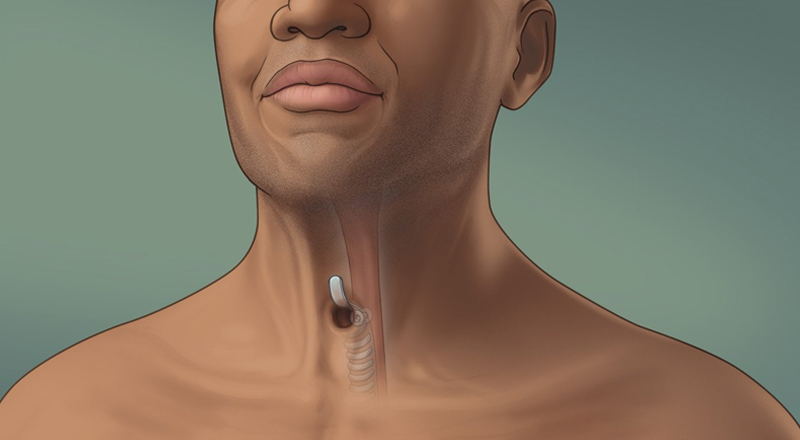
A total laryngectomy involves the complete removal of the larynx, including the vocal cords, epiglottis, hyoid bone, and associated structures. Following surgery, the trachea is brought to the front of the neck as a permanent stoma (opening) through which the patient breathes. The digestive tract is reconstructed to restore swallowing.
While the natural voice is lost after total laryngectomy, voice restoration options are available to help patients communicate effectively after surgery.
When is Total Laryngectomy Recommended?
Total laryngectomy is considered for advanced laryngeal cancers where partial resection cannot achieve adequate margins, for recurrent cancers after radiation therapy, or when the tumor involves structures that preclude voice preservation. The decision is made through multidisciplinary tumour-board review, weighing oncological requirements against functional and quality-of-life considerations.
Surgical Approach
Dr. James has experience in complex laryngeal and pharyngeal cancer surgery. Total laryngectomy is performed to achieve oncologically sound margins, with careful attention to pharyngeal closure technique to reduce the risk of post-operative complications and support swallowing rehabilitation. Neck dissection is performed concurrently when lymph node involvement is indicated.
Voice Restoration After Total Laryngectomy
Following total laryngectomy, voice rehabilitation is an important aspect of post-operative care. Options include tracheoesophageal speech using a voice prosthesis (TEP), oesophageal speech, and external electrolarynx devices. Voice prosthesis insertion is often performed at the time of surgery or as a secondary procedure.
Rehabilitation and Support
Recovery after total laryngectomy involves speech therapy, stoma care education, and ongoing psychological support. Dr. James works with multidisciplinary rehabilitation teams to support patients through the post-operative recovery process and long-term adjustment.
Multidisciplinary Cancer Care
Total laryngectomy is part of a comprehensive cancer treatment plan. Dr. James participates in tumour-board discussions to plan appropriate surgical and non-surgical treatment strategies, including the role of adjuvant radiation or chemotherapy following surgery.
Why Choose Dr. Antony Raj James?
- Specialized Head & Neck Oncology Training – MCh in Head & Neck Oncology from Tata Memorial Hospital/ACTREC, Mumbai.
- Experience in Advanced Laryngeal Cancer Surgery – Including total laryngectomy and pharyngeal reconstruction.
- Voice Rehabilitation Support – Tracheoesophageal voice prosthesis placement and post-laryngectomy voice therapy.
- Multidisciplinary Approach – Complex cases evaluated through coordinated tumour-board discussions.