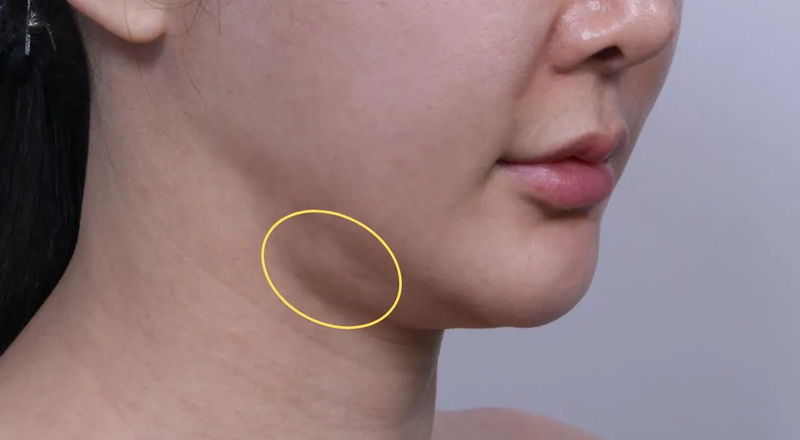
Under-Jaw Gland Surgery (Submandibular Gland Excision)
Submandibular gland excision is the surgical removal of the submandibular (under-jaw) salivary gland when it is affected by a tumor, chronic infection, or salivary duct obstruction causing symptoms. Dr. Antony Raj James has specialized training in head and neck surgery and experience in submandibular gland excision.
What is the Submandibular Gland?
The submandibular gland is a paired salivary gland located beneath the lower jaw (mandible) on each side. It produces saliva that drains into the floor of the mouth through the submandibular (Wharton's) duct. Conditions affecting the submandibular gland that may require surgery include:
- Salivary gland tumors – Benign (e.g., pleomorphic adenoma) or malignant tumors of the submandibular gland.
- Salivary duct stones (sialolithiasis) – Calculi obstructing the submandibular duct causing recurrent pain and swelling, particularly during eating, that have not responded to conservative management.
- Chronic sialadenitis – Recurrent infection and inflammation of the gland causing persistent symptoms.
- Suspected malignancy – Where submandibular gland enlargement raises concern for malignancy requiring excision and histological assessment.
Surgical Approach
Submandibular gland excision is performed through a small incision beneath the jaw. Key structures in the surgical field include the marginal mandibular branch of the facial nerve (which controls lower lip movement), the lingual nerve (sensory nerve to the tongue), and the hypoglossal nerve (which controls tongue movement). Careful identification and preservation of these structures is an essential aspect of safe submandibular gland surgery.
Neck Dissection for Malignant Tumors
When the submandibular gland tumor is confirmed or suspected to be malignant, neck dissection may be incorporated to address regional lymph nodes. Dr. James has extensive experience with neck dissection at all relevant nodal levels.
Multidisciplinary Cancer Care
Malignant submandibular gland tumors are managed through multidisciplinary tumour-board discussions to determine the need for adjuvant radiation or systemic therapy following surgery.
Why Choose Dr. Antony Raj James?
- Specialized Head & Neck Surgery Training – MCh in Head & Neck Oncology from Tata Memorial Hospital/ACTREC, Mumbai.
- Salivary Gland Surgery Expertise – Experience in submandibular gland excision for benign and malignant conditions.
- Nerve Preservation – Careful identification and protection of facial, lingual, and hypoglossal nerves.
- Multidisciplinary Approach – Coordinated care for salivary gland malignancies.