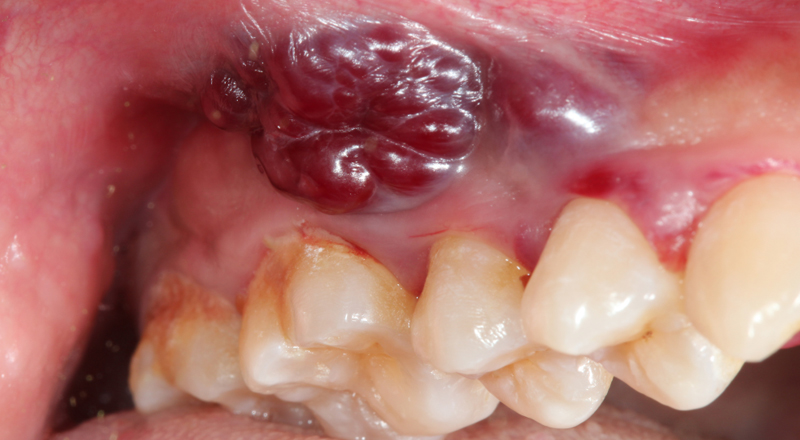
Cheek / Mouth Lining Cancer Surgery (Buccal Mucosa Resection)
Buccal mucosa cancer surgery involves the surgical removal of cancerous tissue from the inner lining of the cheek and mouth. Dr. Antony Raj James brings specialized training in head and neck oncology and extensive experience in oral cavity cancer surgery, including complex buccal mucosa resections.
What is Buccal Mucosa Resection?
The buccal mucosa is the moist inner lining of the cheeks and lips. A buccal mucosa resection is a surgical procedure to excise cancerous tissue from this region, achieving clear margins around the tumor. The extent of the resection depends on the size, depth, and spread of the cancer.
In selected advanced cases, the resection may extend to involve the underlying musculature, skin, or adjacent structures, requiring careful planning for both oncological clearance and functional preservation.
When is Surgery Recommended?
Surgery is considered for patients with confirmed buccal mucosa malignancy when the tumor is amenable to surgical resection. Treatment planning takes into account tumor staging, depth of invasion, proximity to the jawbone, and lymph node status. Cases are reviewed through multidisciplinary tumour-board discussions to ensure the most appropriate treatment strategy.
Surgical Approach
Dr. James has performed 400+ oral cavity resections as a primary surgeon, including complex buccal mucosal resections. The surgical approach is tailored to the individual patient, aiming to achieve oncologically appropriate margins while considering functional and cosmetic outcomes.
When the cancer is close to or involves the jawbone, this may be addressed in conjunction with the resection. Neck dissection is performed when lymph node involvement is indicated by clinical or radiological assessment.
Neck Dissection When Required
Buccal mucosa cancers carry a risk of regional lymph node spread. When indicated, neck dissection is performed as part of the primary surgery to evaluate and treat the lymph nodes. Dr. James has extensive experience with radical, comprehensive, and selective neck dissections across levels I–V.
Reconstruction After Resection
Reconstruction of the cheek and mouth lining after resection is important for restoring oral function and appearance. Dr. James has experience with pedicled reconstructive flaps, including PMMC, nasolabial, and submental flaps, used to repair defects following buccal mucosa cancer surgery. The choice of reconstruction is individualized based on the size and location of the surgical defect.
Multidisciplinary Cancer Care
Buccal mucosa cancers are best managed through a coordinated multidisciplinary approach. Treatment planning involves head and neck surgery, radiation oncology, medical oncology, and pathology teams working together. Dr. James participates actively in tumour-board discussions to integrate surgical and non-surgical treatment strategies for optimal outcomes.
Why Choose Dr. Antony Raj James?
- Specialized Head & Neck Oncology Training – MCh in Head & Neck Oncology from Tata Memorial Hospital/ACTREC, Mumbai.
- Extensive Oral Cancer Surgery Experience – 400+ oral cavity resections as primary surgeon, including complex buccal mucosal cases.
- Reconstructive Expertise – Experience with pedicled flaps for functional and cosmetic restoration after resection.
- Multidisciplinary Approach – Complex cases are evaluated through coordinated tumour-board discussions and evidence-based treatment planning.