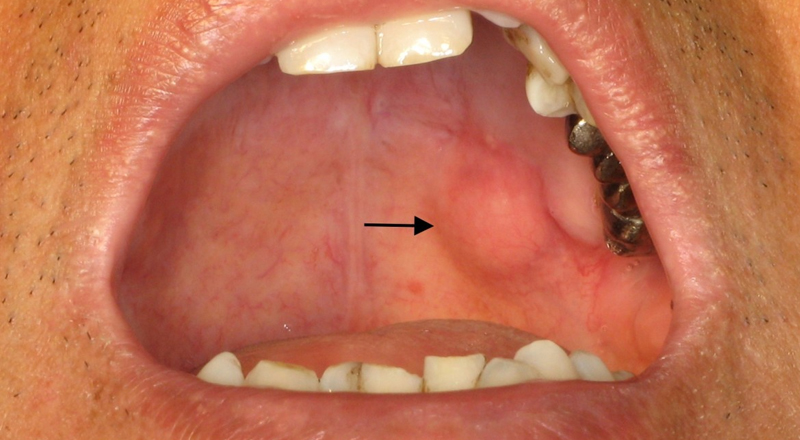
Upper Jaw / Palate Cancer Surgery (Maxillectomy)
Maxillectomy is a surgical procedure to remove part or all of the upper jaw (maxilla) and/or palate affected by cancer. Dr. Antony Raj James has specialized training in head and neck oncology and extensive experience in complex upper jaw and palate cancer surgery, including maxillectomy procedures.
What is Maxillectomy?
A maxillectomy involves the surgical removal of the upper jawbone and related structures when affected by cancer. The extent of the procedure is classified based on the structures removed:
- Infrastructure Maxillectomy – Removal of the lower portion of the maxilla including the palate, used for tumors confined to the lower maxilla or hard palate.
- Total Maxillectomy – Removal of the entire maxilla including the orbital floor, used when the tumor involves the full extent of the upper jaw.
- Extended / Radical Maxillectomy – Removal of the maxilla together with adjacent structures such as the orbit, pterygoid plates, or skull base, reserved for advanced tumors with extensive local spread.
When is Maxillectomy Recommended?
Surgery is considered for confirmed cancers of the upper jaw, hard palate, upper gum, or paranasal sinuses when the tumor requires surgical removal for adequate cancer control. Treatment planning is guided by tumor staging, extent of involvement, and the results of multidisciplinary tumour-board review.
Surgical Approach
Dr. James has experience in complex head and neck cancer surgery including advanced oral cavity and sinonasal resections. Surgery is planned to achieve oncologically appropriate margins while accounting for the anatomical complexity of the upper jaw and its relationships with the orbit, nasal cavity, and skull base.
The surgical approach — transoral, facial degloving, or Weber-Ferguson incision — is selected based on tumor extent and access requirements. Neck dissection is incorporated when indicated by lymph node status.
Neck Dissection When Required
Upper jaw and palate cancers may spread to regional lymph nodes. When clinically or radiologically indicated, neck dissection is performed concurrently with maxillectomy. Dr. James has extensive experience with selective and comprehensive neck dissections at all relevant nodal levels.
Reconstruction and Rehabilitation
Reconstruction following maxillectomy focuses on restoring the separation between the oral and nasal cavities, preserving facial contour, and enabling normal speech and swallowing. Dr. James has experience with pedicled reconstructive flaps including PMMC and temporalis flaps, which may be used to reconstruct defects following upper jaw resection. Prosthetic obturators may also be used in appropriate cases. Reconstruction planning is individualized based on the extent of the surgical defect.
Multidisciplinary Cancer Care
Upper jaw and palate cancers benefit from a coordinated team approach. Dr. James participates in multidisciplinary tumour-board discussions involving head and neck surgery, radiation oncology, medical oncology, maxillofacial surgery, and prosthetics teams to develop the most appropriate treatment plan for each patient.
Why Choose Dr. Antony Raj James?
- Specialized Head & Neck Oncology Training – MCh in Head & Neck Oncology from Tata Memorial Hospital/ACTREC, Mumbai.
- Extensive Head & Neck Cancer Surgery Experience – Experience in complex resections including advanced oral cavity and upper jaw cancer surgery.
- Reconstructive Expertise – Experience with pedicled flaps and prosthetic rehabilitation for restoration after maxillectomy.
- Multidisciplinary Approach – Complex cases are evaluated through coordinated tumour-board discussions and evidence-based treatment planning.