Tonsil and Throat Cancer Surgery (Oropharyngeal Resection)
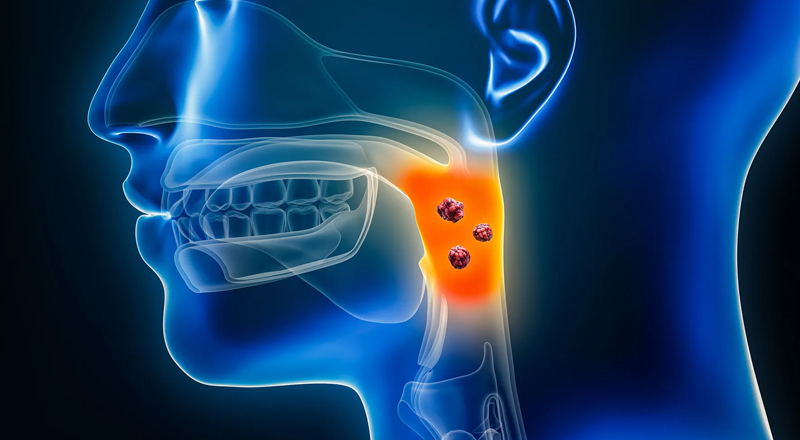
Oropharyngeal resection is the surgical removal of cancerous tissue from the oropharynx — the middle part of the throat that includes the tonsils, soft palate, base of tongue, and posterior pharyngeal wall. Dr. Antony Raj James has specialized training in head and neck oncology and extensive experience in oropharyngeal cancer surgery.
What is the Oropharynx?
The oropharynx is the region of the throat directly behind the mouth. It includes:
- The tonsils and tonsillar pillars
- The soft palate and uvula
- The base of the tongue (posterior one-third)
- The posterior pharyngeal wall
Cancers arising in these areas are classified as oropharyngeal cancers and may be related to HPV (Human Papillomavirus) infection or tobacco and alcohol use.
When is Oropharyngeal Surgery Recommended?
Surgery may be considered as part of the treatment strategy for oropharyngeal cancers when surgical resection is appropriate for the stage and location of the tumor. Many oropharyngeal cancers are managed with non-surgical approaches such as radiation with or without chemotherapy, but surgery plays an important role in selected cases — particularly for recurrent or residual disease, or when minimally invasive approaches are feasible.
Treatment decisions are made through multidisciplinary tumour-board discussions involving surgical, radiation, and medical oncology teams.
Surgical Approaches
The choice of surgical approach depends on the location and extent of the tumor:
- Transoral resection – Direct access through the mouth, suitable for selected tonsillar and soft palate tumors with good exposure.
- Transcervical or transmandibular approach – Used for larger or more posteriorly located tumors requiring wider access.
- Minimally invasive approaches (TORS/Laser) – Robotic or laser surgery for suitable candidates seeking reduced morbidity. (See dedicated page on TORS/Laser surgery.)
Dr. James has experience in complex oropharyngeal resections and works closely with teams skilled in robotic and laser surgical approaches.
Neck Dissection When Required
Oropharyngeal cancers have a high propensity for regional lymph node spread. Neck dissection is frequently performed as part of oropharyngeal cancer surgery to address nodal disease. Dr. James has extensive experience with radical, comprehensive, and selective neck dissections across all relevant nodal levels.
Reconstruction and Functional Recovery
Surgical defects in the oropharynx can affect swallowing, speech, and breathing. Reconstruction aims to restore the structural integrity of the throat and support functional recovery. Dr. James has experience with pedicled reconstructive flaps, including PMMC and other regional flaps, and works with teams that provide speech and swallowing rehabilitation following oropharyngeal surgery.
Multidisciplinary Cancer Care
Oropharyngeal cancer management benefits significantly from a coordinated multidisciplinary team. Dr. James participates in tumour-board discussions to help plan integrated treatment strategies, including the appropriate sequencing of surgery, radiation, and systemic therapy for each individual patient.
Why Choose Dr. Antony Raj James?
- Specialized Head & Neck Oncology Training – MCh in Head & Neck Oncology from Tata Memorial Hospital/ACTREC, Mumbai.
- Extensive Head & Neck Cancer Surgery Experience – Experience in complex oropharyngeal resections and neck dissections.
- Reconstructive Expertise – Experience with pedicled flaps for functional restoration after throat cancer surgery.
- Multidisciplinary Approach – Complex cases are evaluated through coordinated tumour-board discussions and evidence-based treatment planning.